The Story

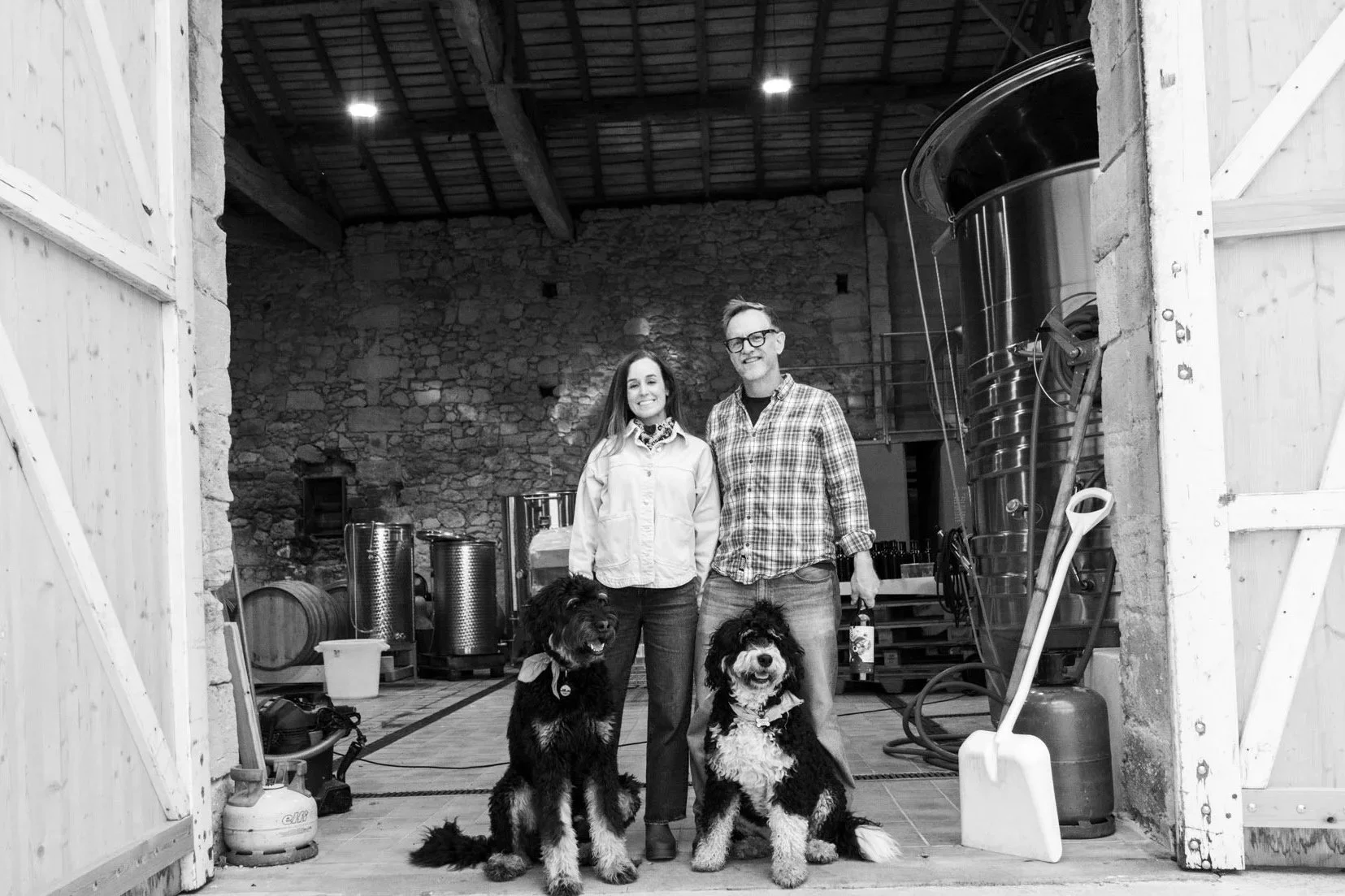
We make wine in Francs, a small corner of Bordeaux that most people drive past on their way somewhere else.

Southold Farm + Cellar began on Long Island’s North Fork in 2012. The North Fork had always looked to Bordeaux as a reference point — similar climate, similar soils, the same grape varieties. It was a place where restraint and early picking made sense, and where wines shaped by place could exist without explanation. We built a following making wines that pushed against local convention. Then, in 2016, a zoning decision made it impossible to operate from our own farm. The work lost its footing. We had to leave.

In 2017, we moved everything — name, inventory, family — to Texas Hill Country. Texas gave us room and a community that welcomed what we were trying to do. But the climate demanded constant correction just to keep vines alive. We weren’t expressing terroir; we were managing survival. Every season required more intervention, more compromise. Over time, it became clear that staying meant giving up the kind of wines we set out to make.

By 2023, the pattern was unmistakable. Every place we had worked outside of Francs asked us to fight the environment to preserve our intent. Francs was the first place that didn’t. A continental climate. Limestone soils. The ability to farm organically without apology. This wasn’t a stylistic pivot — it was alignment. This is where the wines we’d been working toward since the beginning finally made sense.

This is homecoming, not reinvention.

The Land

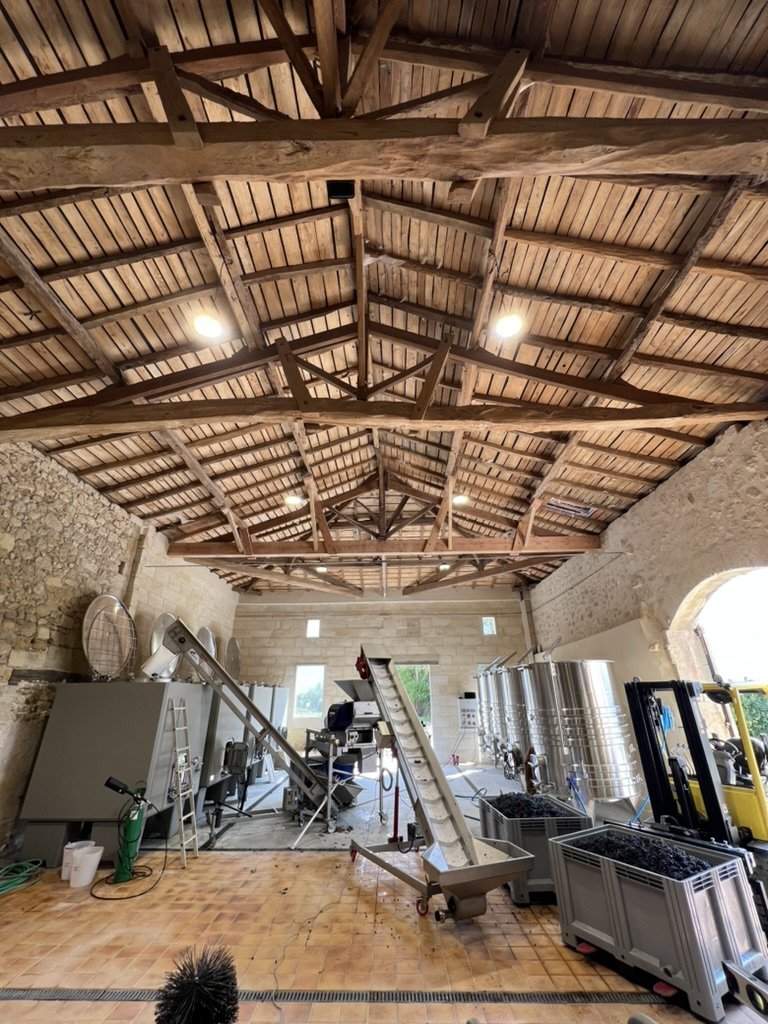
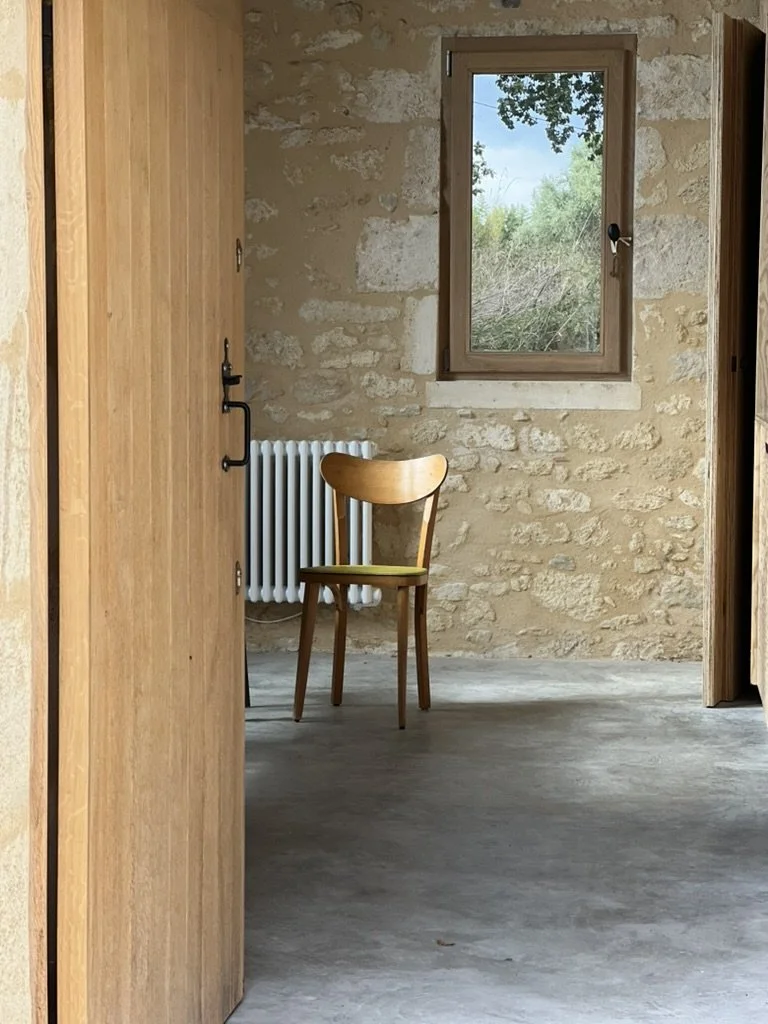
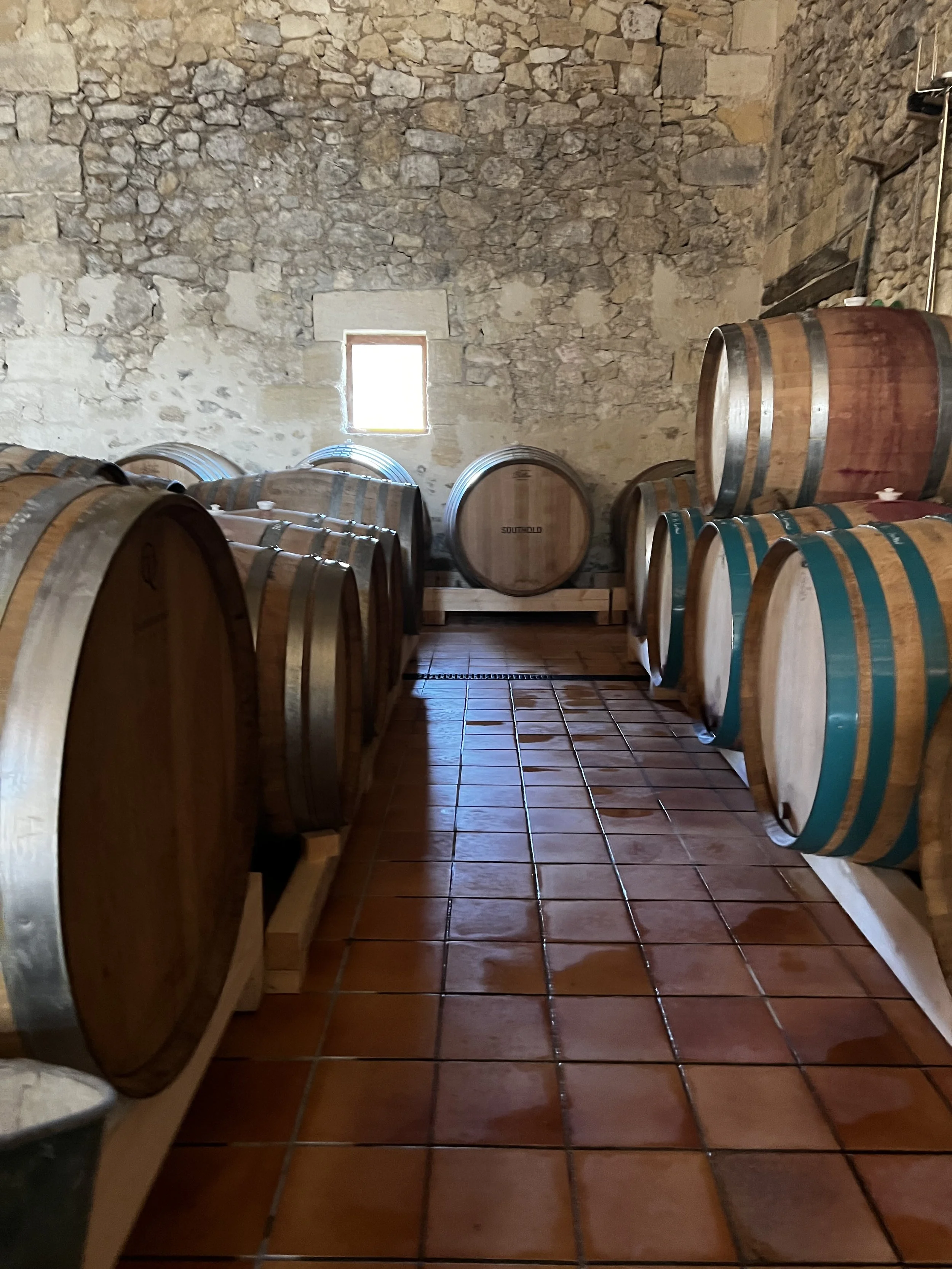
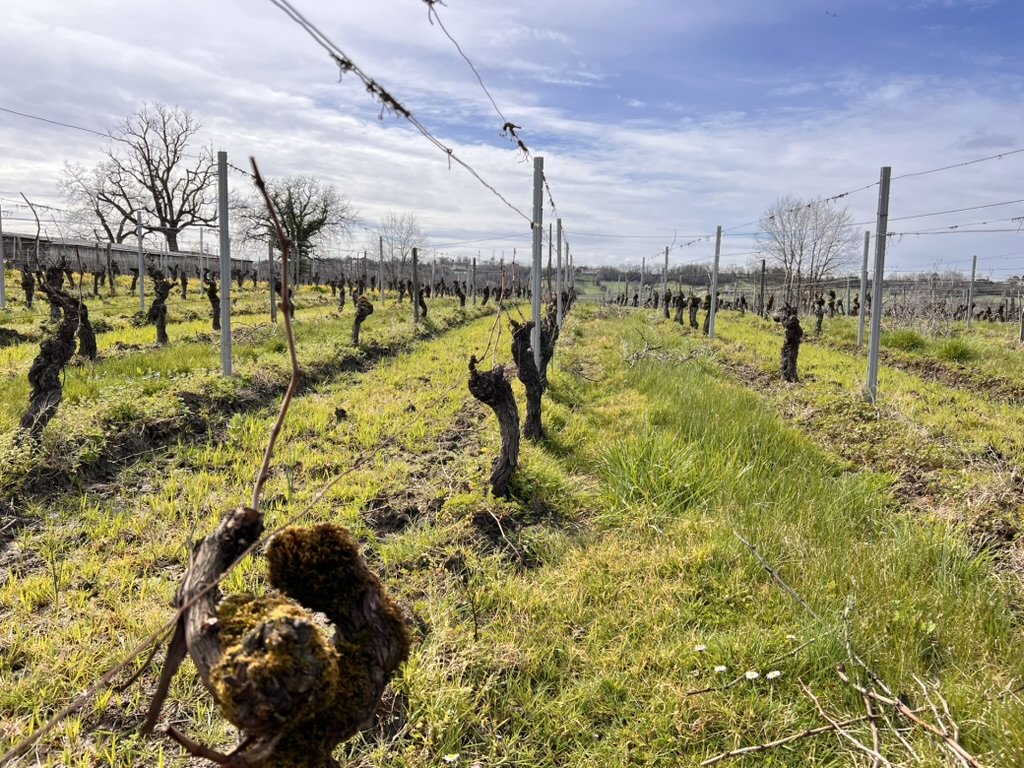
Seven hectares in Francs. Old vines. A stone barn we’re slowly turning into a cellar. No grand château, no inherited legacy — just good land that had been waiting for careful work

The soils here are different from what we knew on Long Island and Texas. The climate asks different questions. We’re learning how best to respond.

How We Work

Single parcels. Small fermentations. Every block is treated as its own source, not a component.

The work is focused on clarity, wines shaped by place rather than correction. Precision comes from restraint, not force, and from decisions made early rather than fixed later.

In the vineyard and cellar, every choice is made with time in mind. These are wines built for nuance and durability, meant to hold their shape, to age well, and to reward patience in the bottle.

What We Make

The wines carry a throughline from what we made in New York to what we’re making now, restraint, early decisions, and a preference for clarity over force. At the same time, they are shaped decisively by Francs. That tension isn’t something we resolve; it’s something we work within.

Production stays small by design. Communication is direct. We don’t aim to be everywhere — we focus on being placed with people who open the bottles and spend time with them.

Want In?

Be first to access the wines. Join the Allocation List

Follow the journey. Read our Substack →

Watch it unfold. Follow on Instagram →

  • Sort of. We’ve kept the name and the mindset. But we left the U.S. to build something less reactive and more deliberate. The wines are different now. The work is, too.

  • Because it’s where our way of working still makes sense.

    After Long Island and Texas, it became clear that most places asked us to fight the environment just to preserve intent. Francs doesn’t. The climate, the soils, and the scale allow for precision without correction. This is where the wines we’d been working toward could finally hold together.

  • Sometimes, yes. In 2026, we open the cellar for a handful of intimate tastings. Just the wine and the story. More on that soon.

  • We release twice a year, once in the spring, once in the fall, to a list of people who’ve asked to be kept in the know. No automatic charges. Just a heads up, and a chance to say yes. Join the list →

  • A small number. Most of the wine goes directly to our mailing list and to distribution partners we trust. If you’re in the trade and curious, feel free to reach out.

  • We work with as little intervention as possible, without being dogmatic about labels. The goal isn’t purity as an idea, it’s to make wines that feel alive, grounded, and worth spending time with.